
Industrial slitting knives are critical cutting components used in slitting, rewinding and converting machinery. They are primarily designed to slit continuous web materials into precise widths during high-speed production. Depending on the machine configuration and cutting method, slitting knives can be used as upper and lower knives in shear-cutting systems, or as dedicated pressure-cutting blades for specific applications. High-quality industrial slitting knives require excellent sharpness, wear resistance, dimensional stability and edge consistency to achieve clean, precise and low-burr cuts under continuous operating conditions. WINGCHONG KNIFE supplies a wide range of industrial knife designs, materials, dimensions and precision grinding solutions according to specific machine configurations, materials and production requirements.
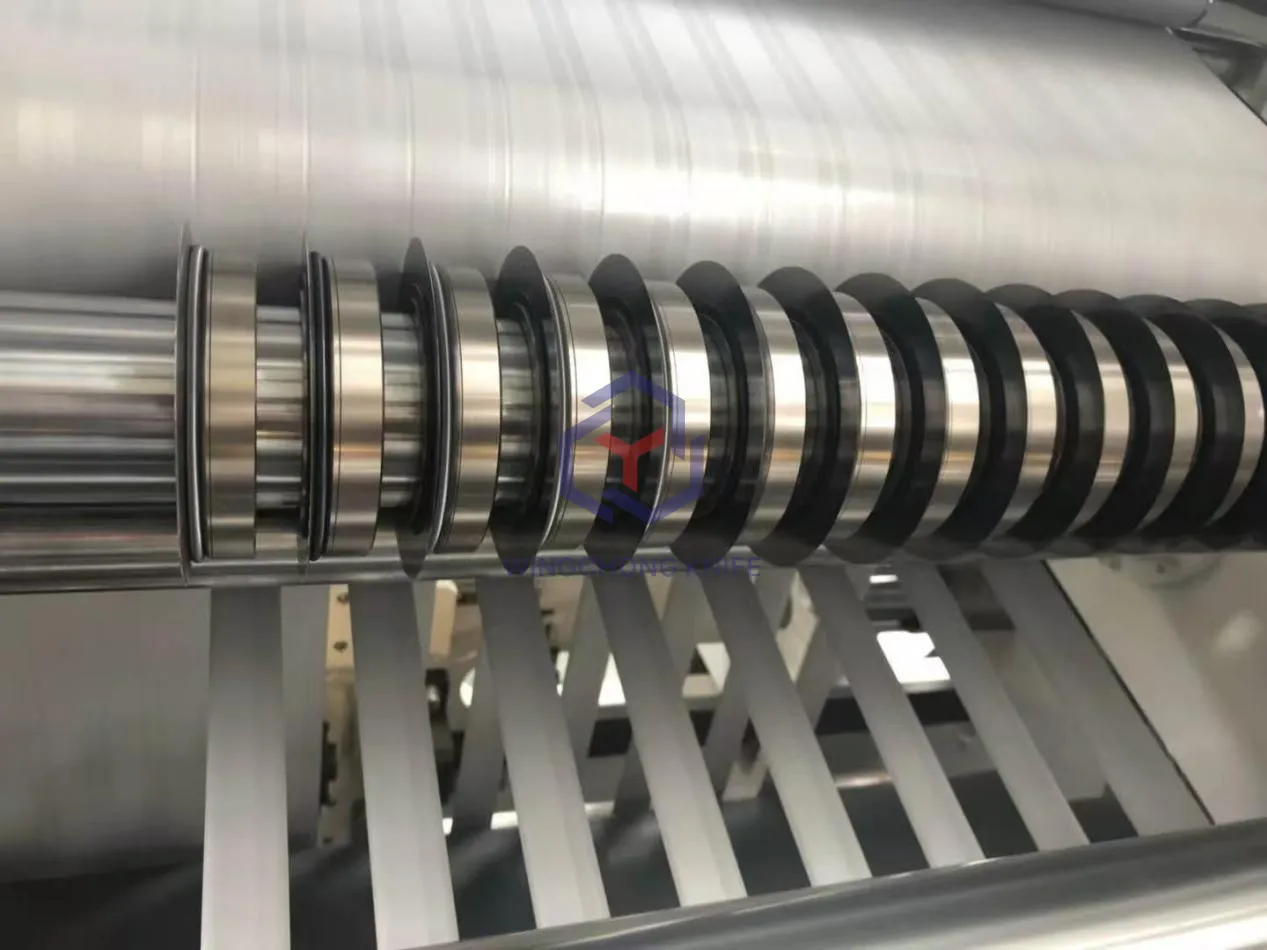
What Machines Are Industrial Slitting Knives Used On?
Industrial slitting knives are widely used in rewinders, slitting machines, label inspection machines, flexible-material converting equipment, core cutting machines and abrasive belt cutting equipment. Rewinders and slitting machines typically use an upper and lower knife in a shear-cutting configuration. By precisely controlling the knife clearance and cutting geometry, the system can achieve high-speed, continuous slitting with consistent cutting quality. Other machines may use pressure-cutting systems, where the upper blade directly cuts through the material. Depending on the machine design, knives can be installed in mechanical knife holders, pneumatic knife holders or other dedicated knife-support systems. Selecting the correct knife geometry, holder configuration, steel grade and cutting parameters is essential for achieving stable cutting performance, accurate slit widths and extended knife service life.
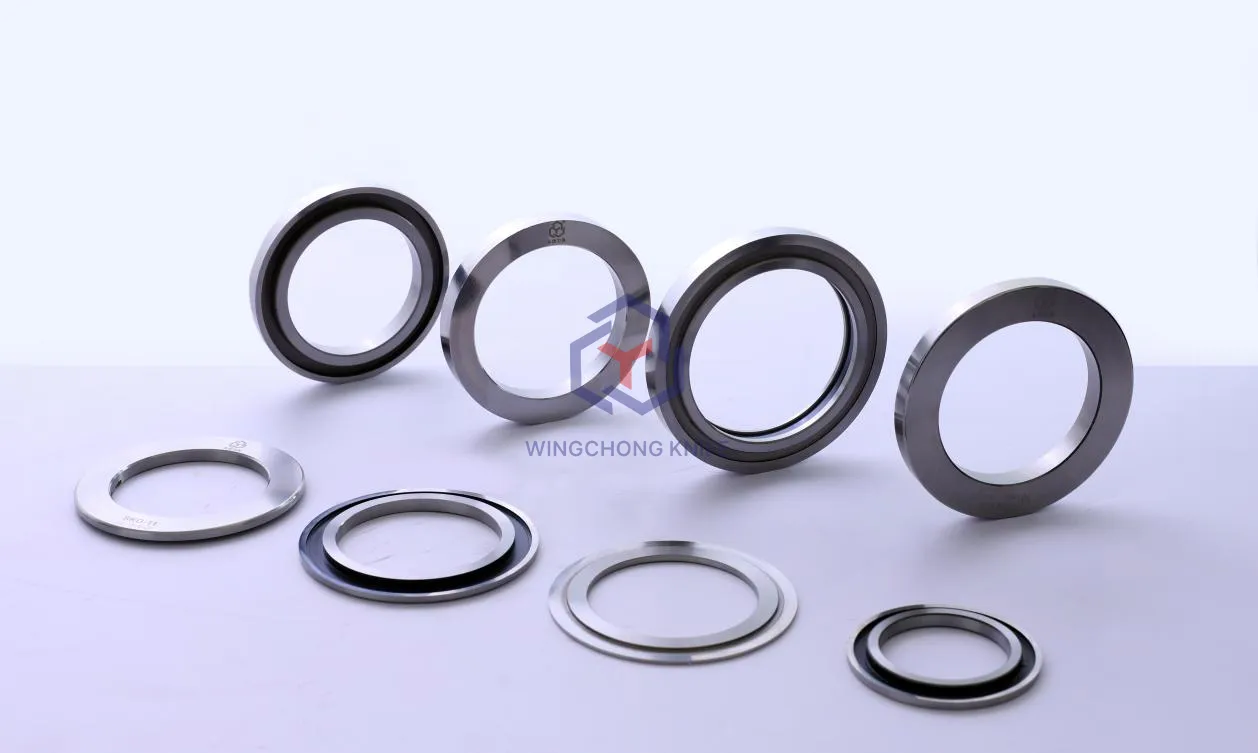
What Materials Can Industrial Slitting Knives Cut?
Industrial slitting knives are designed for a wide range of continuous web materials, including paper, cardboard, films, aluminum foil, labels, adhesive materials, flexible laminates, nonwoven materials (TNT/NWF), paper cores and abrasive materials. Different materials require specific blade geometries, steel grades, hardness levels and surface finishes to achieve optimal cutting performance. For example, films and flexible laminates require sharp and stable cutting edges to minimize wrinkling, tearing and deformation. Paper and cardboard require clean cuts with minimal burrs or rough edges, while thin aluminum and other metallic materials demand high edge sharpness, wear resistance and dimensional accuracy. By selecting the appropriate knife design, material and precision grinding process, manufacturers can improve slitting quality, extend knife life and reduce downtime and overall operating costs.
Copyright © 2026 by QINGDAO WINGCHONG PRECISION MACHINERY CO.,LTD All Rights Reserved


