
Choosing the right slitter knife materials is essential for achieving stable cutting performance, long service life, and consistent slit quality. Different materials offer different levels of hardness, toughness, wear resistance, and edge retention.
1. Tool Steel Slitter Knives
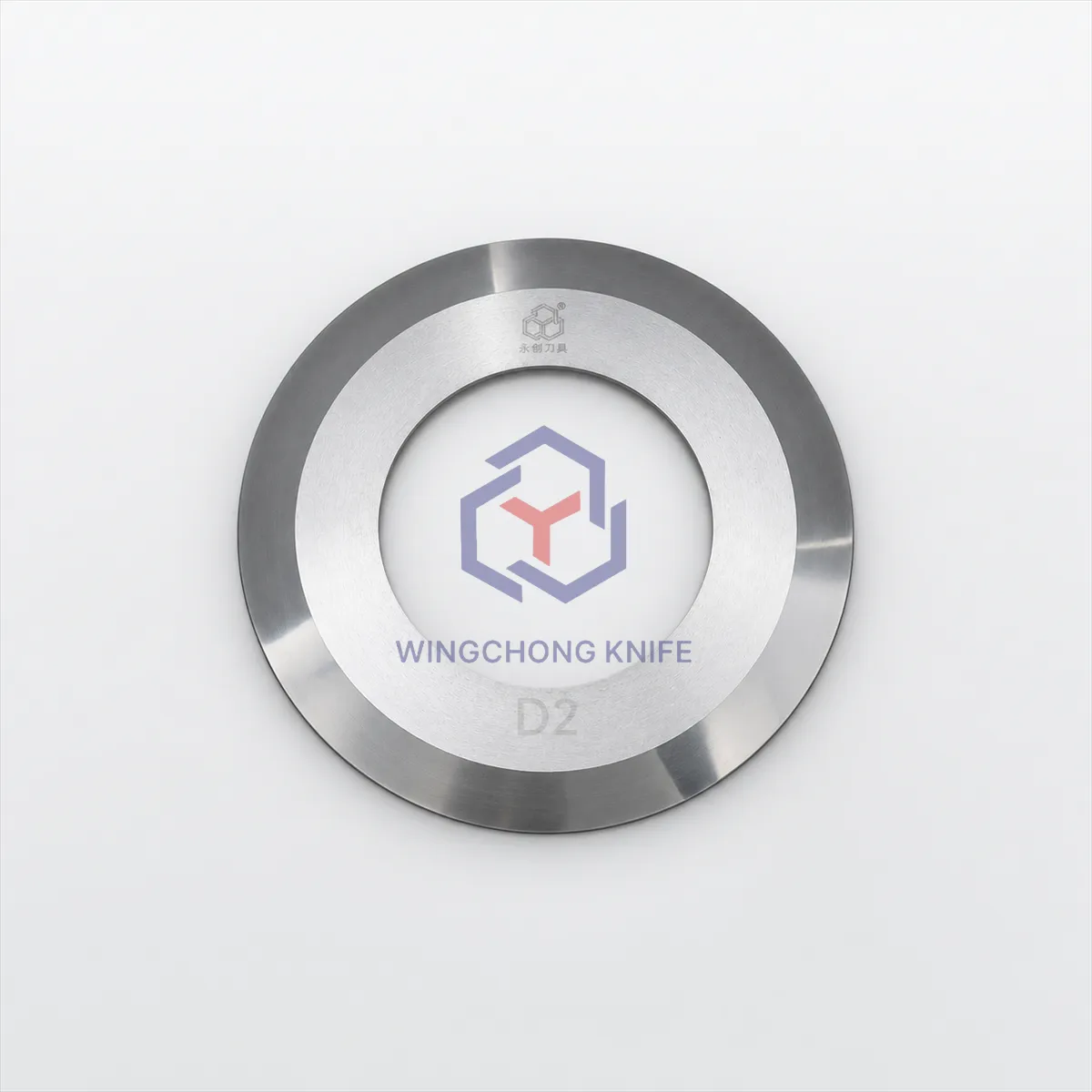
Tool steel slitter knives are widely used for general industrial slitting applications. D2 and K100 are common choices, offering a good balance of hardness, toughness, and wear resistance.
D2 steel knives are suitable for many paper, film, and general converting applications. K100 slitter knives are also widely used where good wear resistance and dimensional stability are required.
2. High-Speed Steel Slitter Knives
High-speed steel slitter knives, such as M2 steel, provide higher hardness and better edge retention than many conventional tool steels.
M2 steel knives are suitable for applications requiring higher cutting speeds, better wear resistance, and longer service life.
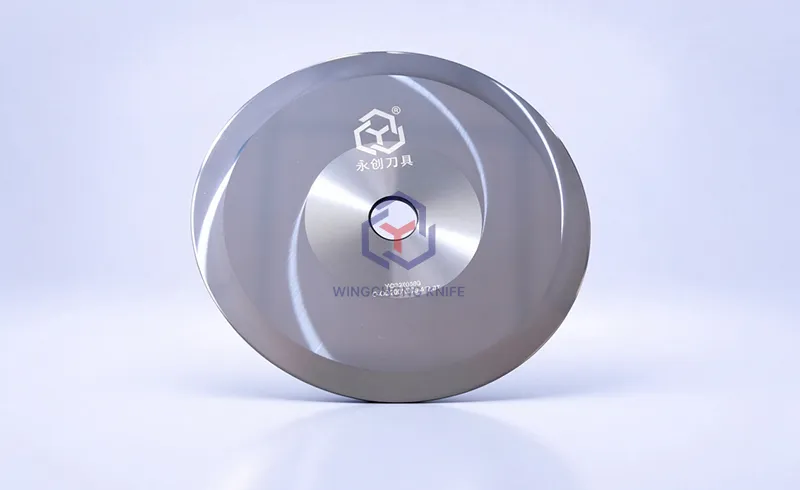
3. Powder Metallurgy and Carbide Slitter Knives
For demanding applications, powder metallurgy steel knives can provide improved wear resistance and edge stability compared with conventional tool steels.
Carbide slitter knives offer extremely high wear resistance and are suitable for highly abrasive materials or applications requiring extended knife life.
4. How to Choose the Right Material?
The best industrial slitter knife materials depend on the material being cut, machine speed, cutting method, required knife life, and production conditions.
For general applications, tool steel can provide a cost-effective solution. For higher-speed or longer-life requirements, M2 or powder metallurgy steel may be more suitable. For highly abrasive materials, carbide can provide superior wear resistance.
Choosing the correct wear-resistant slitting knives can reduce knife changes, production downtime, and overall operating costs.
Copyright © 2026 by QINGDAO WINGCHONG PRECISION MACHINERY CO.,LTD All Rights Reserved


